Sodium-Ion Cells Enter Stationary Storage: What It Means for Project Economics
November 24, 2026
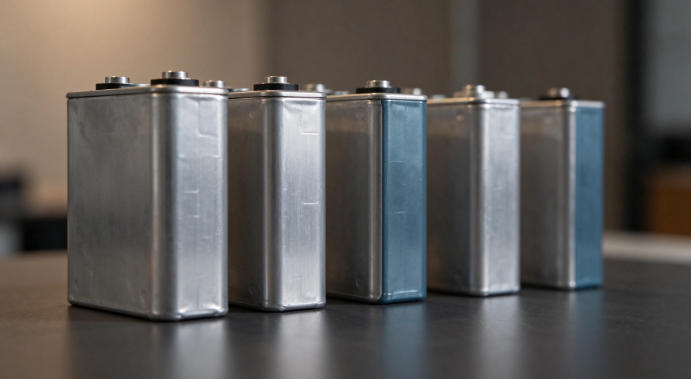
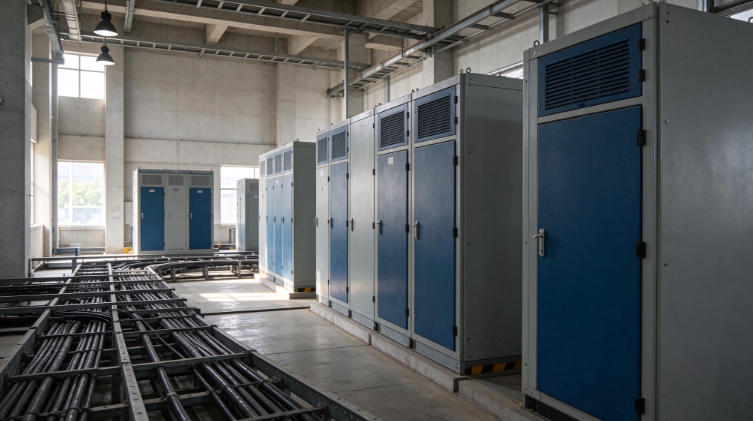
Sodium-ion batteries have moved from laboratory samples to commercial stationary storage products, and several Chinese and European suppliers are now quoting them for cabinet and container-scale projects. For buyers, the question is no longer whether the chemistry works, but where it fits better than lithium iron phosphate (LFP).
The main argument is cost and supply resilience. Sodium is abundant and does not depend on lithium or cobalt chains, so cell pricing is less exposed to commodity swings. Early commercial cells are already quoted close to LFP on a per-kWh basis, and suppliers expect further reductions as production scales through 2027.
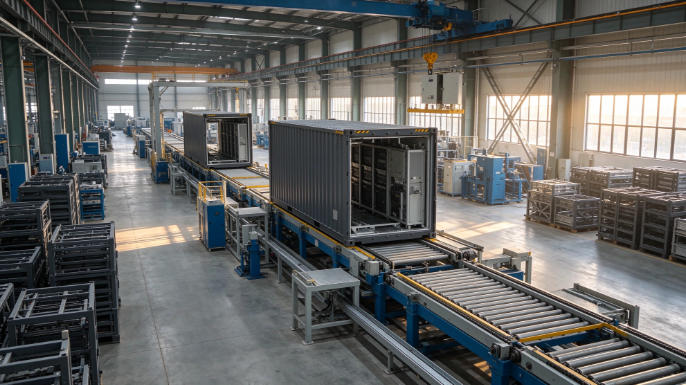
The trade-off is energy density. Sodium-ion cells typically deliver noticeably lower Wh per kilogram than LFP, which matters for vehicles but far less for stationary cabinets where floor area and weight limits are generous. A 20-foot container built on sodium-ion will generally hold less energy than the same container built on LFP, so project layouts need to be designed around that from the start.
Low-temperature behaviour is the second differentiator. Sodium-ion retains a higher share of usable capacity in sub-zero conditions, which suits northern European, North American and Central Asian sites where LFP systems need active heating for part of the year. Cycle life is comparable in current commercial products, with most suppliers warranting several thousand cycles to 80 percent state of health.
Where sodium-ion fits best today: grid-side and commercial cabinets in cold climates, projects with long duration and relaxed weight constraints, and buyers who want to reduce exposure to a single chemistry. Where LFP still wins: high-density footprints, mature supply chains, and applications where bankability depends on a long track record.
For integrators, the practical advice is to keep BMS and EMS configuration chemistry-agnostic. Systems that can accept either cell type without firmware rework give project developers the flexibility to switch as pricing moves — and that flexibility is likely to be worth more than any single chemistry bet.